Destination and Package Pages
Present routes, duration, highlights, stays, inclusions, exclusions and pricing guidance in a consistent format.
Travellers compare routes, dates, stays, inclusions and reviews before contacting an agency. We organise that research into a fast mobile journey that makes the right package easier to discover and enquire about.
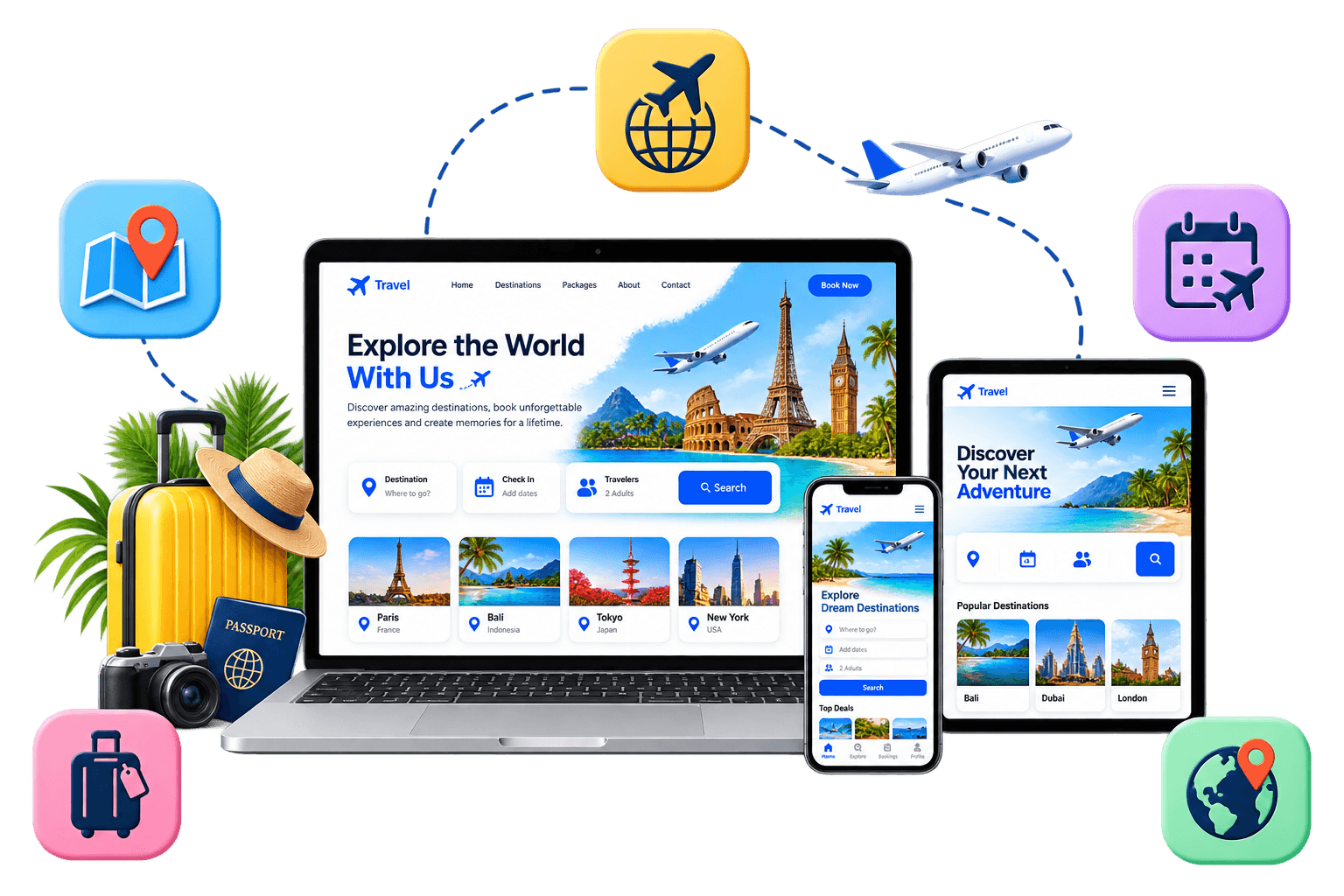
A travel enquiry becomes more useful when the traveller already knows the likely route, duration, key experiences, inclusions and important conditions. If package information is incomplete or difficult to compare, sales teams spend time answering basic questions and serious prospects may leave for another website.
We structure destination and package content around how people plan journeys. A family holiday, pilgrimage group, adventure departure and customised international trip each require different details and calls to action. The website reflects those buying journeys rather than treating every tour as the same product card.
Authorised staff can keep packages, dates, offers and destination guidance current. Enquiry forms preserve useful trip context, while supported WhatsApp, CRM, payment and booking connections can be added where they match the agency’s actual operating process.
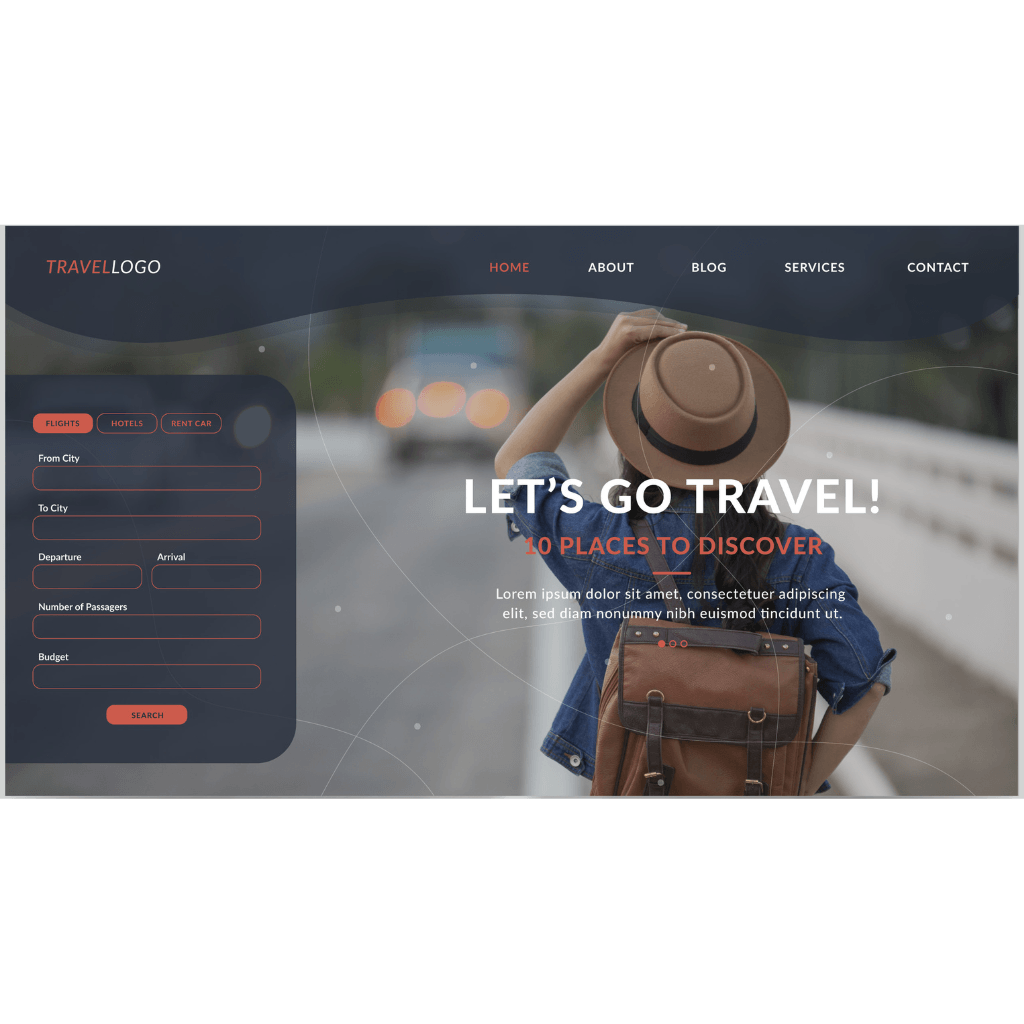
The project brings travel content, package management and enquiry pathways together in one measurable sales platform.
Present routes, duration, highlights, stays, inclusions, exclusions and pricing guidance in a consistent format.
Make daily plans, transfers and activities easy to scan without hiding important trip conditions.
Capture travel dates, guest count, destination interest and custom requirements for more useful follow-up.
Allow authorised users to update tours, departures, offers, images and destination information.
Create crawlable destination, package and travel-theme pages with appropriate metadata and internal links.
Connect supported CRM, WhatsApp, payment, maps, email or booking services where technically suitable.
The content model and enquiry process can be adapted to different destinations, group sizes and travel sales models.
Travellers can browse by destination, theme, duration or other useful criteria without becoming overwhelmed.
Packages, itineraries, calls and enquiry forms remain practical on the phones used throughout research.
Forms carry package and trip context so consultants can begin follow-up with relevant information.
Optimised media supports destination appeal while accurate text explains what the quoted experience includes.
Structured destination content creates a stronger base for relevant organic travel searches.
Analytics and campaign tracking help show which destinations, packages and channels drive enquiry activity.
We review destinations, traveller segments, package fields, sales follow-up and supported operational tools.
Destination hierarchy, package templates, search paths and enquiry actions are designed together.
CMS controls, responsive pages, forms and approved sales or booking connections are implemented.
Packages, forms, devices, metadata, schema and analytics are checked before training and go-live.
Cost depends on destination and package volume, search features, CMS roles, custom design, payments and integrations. We review your package data and sales workflow before providing a clear scope and quotation.
A focused site with destination pages, packages and enquiry forms usually takes six to eight weeks. A B2B agent portal, live booking engine or heavy CRM integration extends that timeline depending on how many systems need to connect.
Yes. Authorised users can manage destinations, itineraries, inclusions, dates, pricing notes, offers and media through structured CMS controls.
Yes, either through a suitable custom flow or a supported booking and payment provider. The approach depends on live availability, pricing rules, cancellation operations, provider approval and technical documentation.
Potentially. Forms can route useful trip details to email and supported CRM systems, while WhatsApp actions can preserve selected context. We verify the available integration method before confirming scope.
Yes, role-based agent access, package inventory and quotation workflows can be developed as a custom project. Requirements such as supplier data, mark-ups, credit and booking rules must first be documented in detail.
We implement crawlable URLs, metadata, headings, internal links, schema support and performance foundations. Rankings also depend on useful original content, competition, authority and continued search work.
Yes. We can audit existing URLs and package data, map suitable fields, retain useful content and plan redirects. Migration effort depends on the consistency and accessibility of the current data.