Process & Requirement Discovery
Understanding how your team actually works today, including the workarounds, before deciding what to build.
We build software around the way your business actually runs, not the other way around. If you have already tried adapting your process to fit an off-the-shelf product and it did not work, that is usually where a custom build starts making sense.
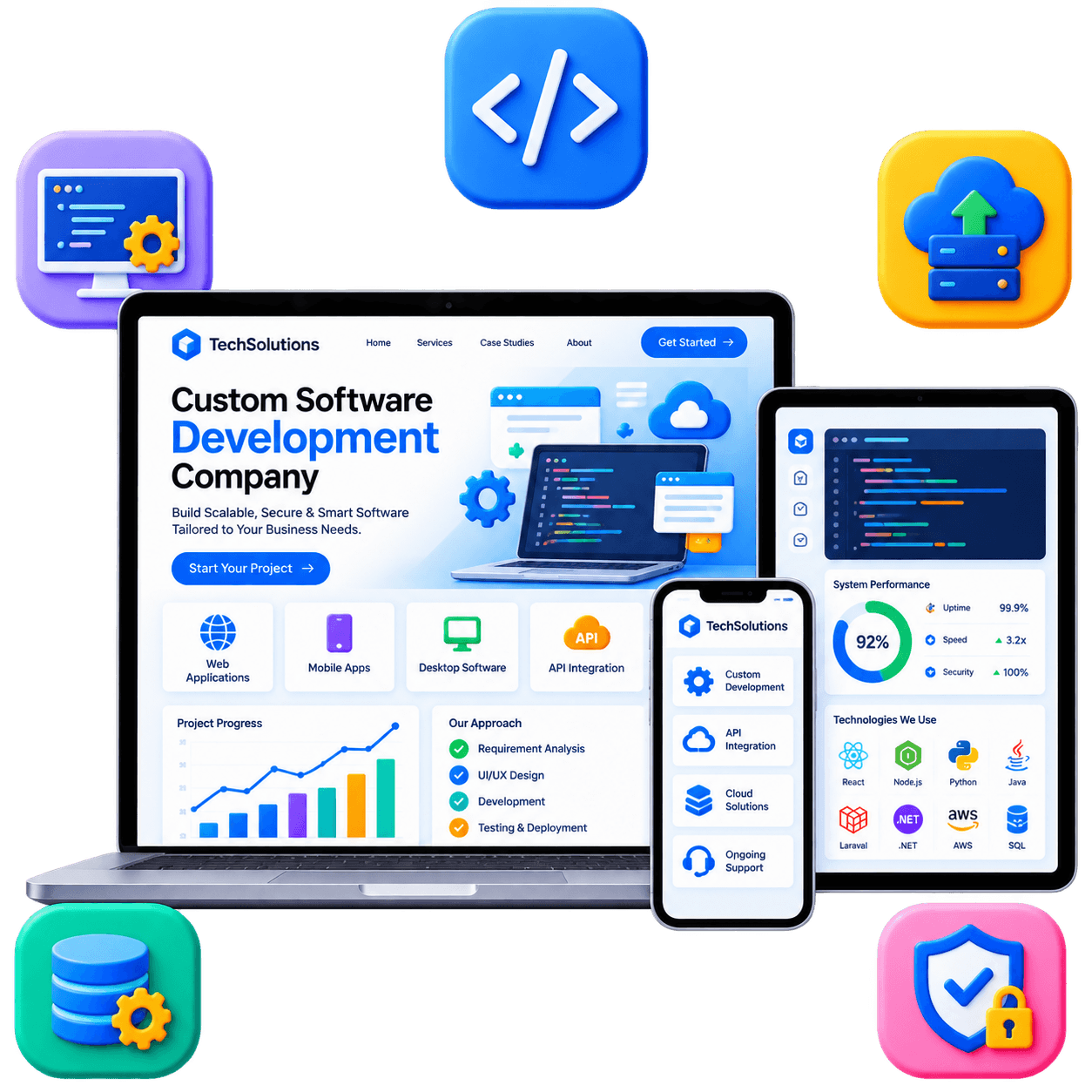
Ready-made software is fast to set up and cheap to start. The cost shows up a year in, when your team is maintaining three workarounds for things the software cannot do, or paying for modules you never use because the platform bundles everything together. By then, switching feels riskier than staying, even though staying is what is actually costing you.
Before we propose building anything, we try to understand whether custom software is actually the right call for your situation, or whether an existing product configured well would genuinely serve you better. That is not us talking ourselves out of the work, it is that a badly-scoped custom build is worse than a decent off-the-shelf tool, and we would rather tell you that upfront than six months into a project.
When custom development is the right fit, we build it around your actual workflow, not a generic version of your industry. We have built systems for businesses that needed something no existing product offered, and for businesses replacing software that technically worked but never quite matched how their team operated. Both situations need the same thing: someone who understands the process before writing the first line of code.
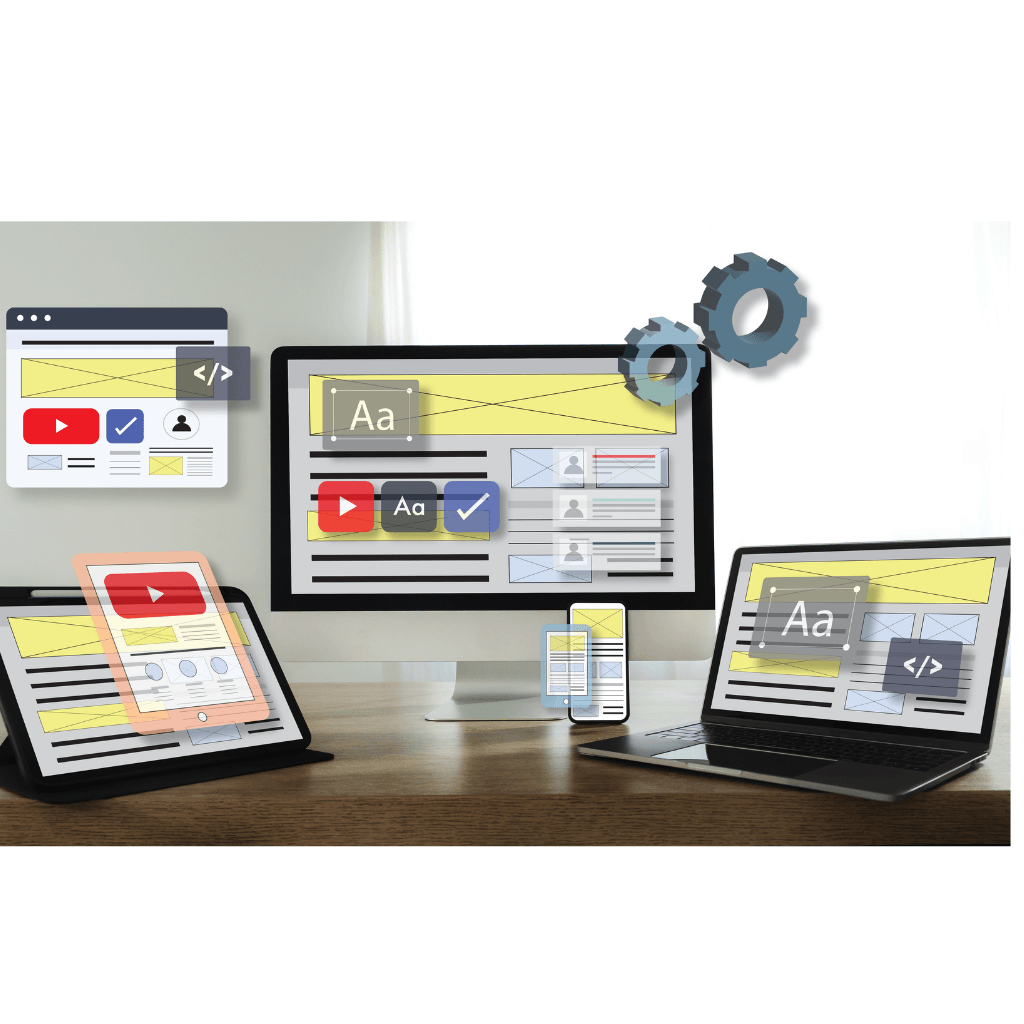
This is not a fixed list of features. It is the range of work involved in building software that fits your business specifically.
Understanding how your team actually works today, including the workarounds, before deciding what to build.
Planning a structure that holds up as your business grows, not just what gets version one out the door.
Building web, desktop or mobile applications suited to how your team will actually use them day to day.
Connecting new software with what you already run, rather than asking you to abandon working tools.
Testing built around how the software will actually be used, not just whether the basic flow works.
Launch, monitoring and continued support as your requirements change after go-live.
This is worth pursuing when your process is specific enough that generic software keeps getting in the way, not simply because a custom build sounds more impressive.
Screens, roles and workflows reflect how your team actually operates, not a generic industry assumption.
Interfaces designed around real daily use, not just what looks good in a demo.
Permissions and visibility reflect actual roles, rather than one-size-fits-all account tiers.
You get what your process needs, not a package of features you are paying for and ignoring.
Architecture planned so new features and scale do not mean starting over later.
We stay involved after go-live for fixes, monitoring and adjustments as your business changes.
We understand your process honestly, including whether custom development is actually the right call.
We define architecture, modules and key screens, then validate them against real workflows before building.
The system is built in stages and tested against real scenarios your team will actually encounter.
We launch with proper training, then stay on to adjust the system as your requirements evolve.
It depends entirely on scope, how many modules and integrations are involved, and how complex the underlying process is. We give a real estimate after understanding your requirements, not a generic package price, because generic pricing does not really apply to custom work.
If an existing product, configured well, would genuinely handle your process, we will tell you that rather than pushing a custom build. Custom development tends to make sense when your workflow is specific enough that off-the-shelf tools keep forcing compromises.
A focused first version can take a few months, while a larger system with multiple integrations and modules takes longer. We usually recommend launching a core version first and expanding it based on how your team actually uses it.
Yes, where the existing systems offer suitable and authorised integration methods. We assess this during discovery rather than assuming it will work and finding out later.
They usually do, to some extent. We build in stages specifically so requirement changes can be absorbed without throwing away completed work.
Yes. We map existing data to the new structure, check for gaps or inconsistencies, and validate a sample before the final migration.
Yes. Requirements keep evolving after launch, so we stay available for fixes, adjustments and support well beyond go-live.