Fleet & Vehicle Tracking
Live vehicle location, trip status and driver assignment, with alerts when a vehicle deviates or stalls.
We build custom logistics software around your actual fleet, routes and dispatch schedule, not a generic shipment tracker, so drivers, dispatchers and customers all work from the same live status.
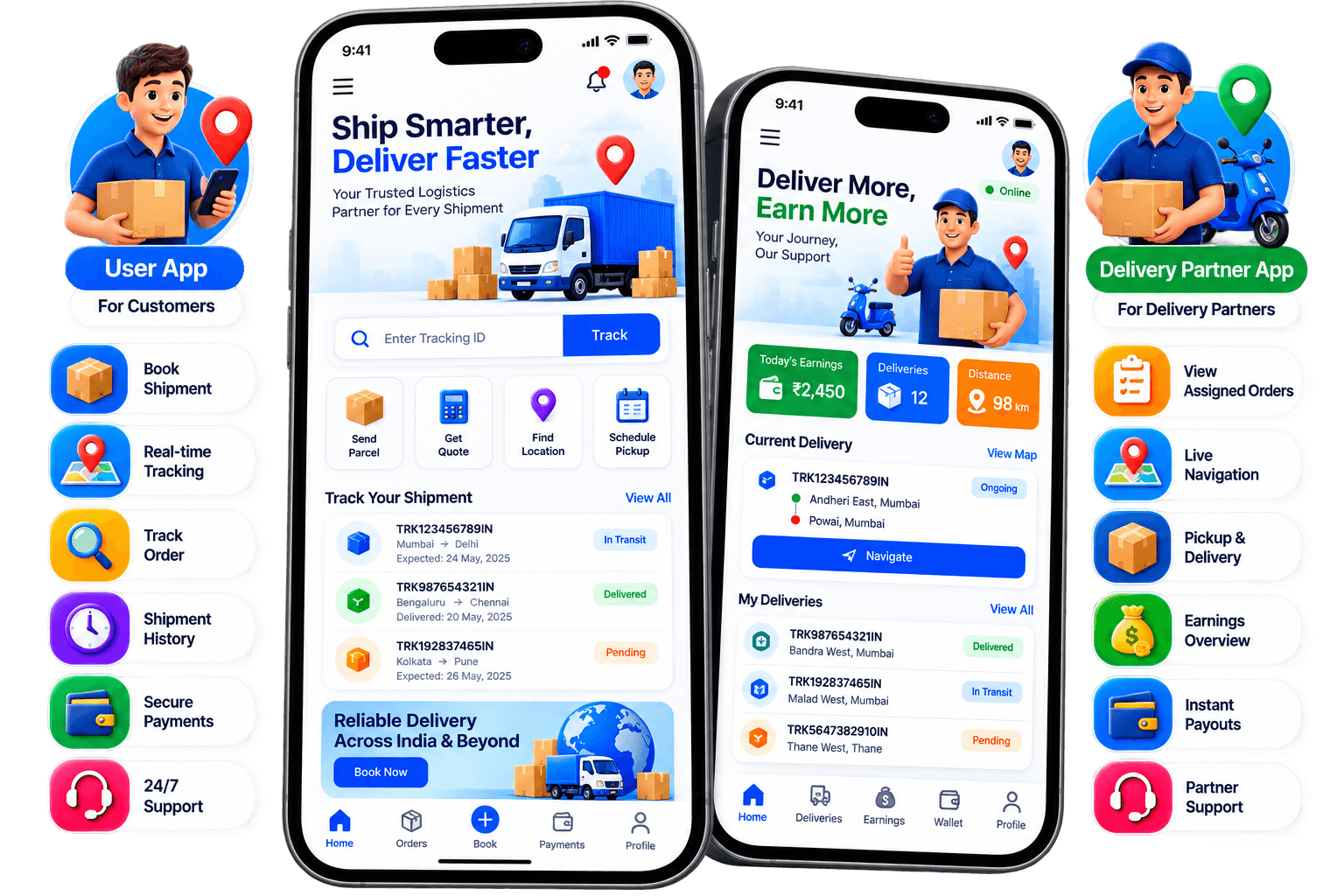
A lot of logistics software tells you where a shipment was supposed to be, not where it actually is. The gap between the two is usually a driver who updated status late, a dispatcher working off a phone call instead of the system, or a POD that sits in someone's bag for two days before it gets entered. None of that is a technology problem exactly, it is a workflow that the software never fit into.
We spend time understanding how your dispatchers actually assign loads, how drivers realistically update status from the road, and where your customers expect visibility versus where they do not care. That shapes what we build, rather than starting from a fixed list of "logistics features" and hoping your team adapts to it. A dispatcher screen that takes ten seconds to assign a load gets used. One that takes two minutes gets bypassed for a phone call, and the data stays stale.
We have built logistics platforms for transport operators, freight forwarders and businesses running their own delivery fleets across India. Some start with just fleet tracking and dispatch. Others need warehouse-to-last-mile visibility, freight billing tied to actual delivered weight, or a customer portal so clients stop calling for status updates. We scope based on what will actually move the needle for your operation first.
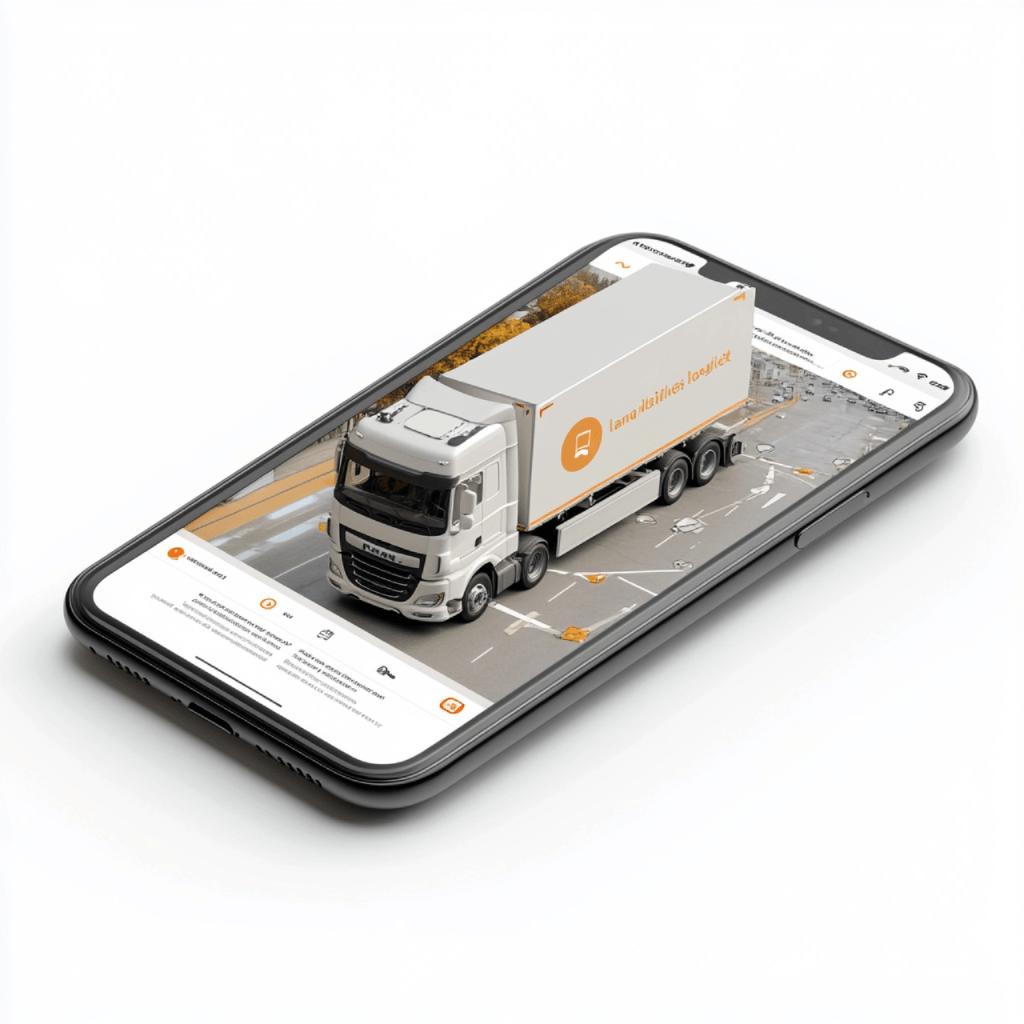
Not every logistics business needs every module below. We build what your fleet size and operation actually justify, then leave room to add more.
Live vehicle location, trip status and driver assignment, with alerts when a vehicle deviates or stalls.
Assign loads efficiently, plan routes around delivery windows and reduce empty return trips.
A single view of every shipment's status from pickup to delivery, updated from the field, not guessed at the desk.
Coordinate loading, dispatch scheduling and warehouse handoffs so trucks are not waiting on paperwork.
Calculate charges against actual weight, distance or agreed rates, and reconcile against what was delivered.
Digital proof of delivery captured at the point of drop, with a portal so customers can check status themselves.
This is not a fit for every business that moves goods. It tends to matter most once tracking a shipment by phone call stops scaling.
Screens are designed around how your dispatchers actually assign and track loads today, not a generic workflow.
Status updates and POD capture are simple enough that drivers actually use them from the road.
Dispatchers, drivers, warehouse staff and clients each see only what is relevant to their role.
Integrates with compatible GPS devices, accounting software or client-side systems where feasible.
Start with core tracking and dispatch, then add billing, warehousing or client portals as volume justifies it.
We stay involved after go-live for fixes, monitoring and adjustments as your routes and fleet change.
We sit with dispatchers, drivers and billing staff to see how loads are actually assigned, tracked and invoiced today.
We define modules, roles and integrations, then walk through the dispatch and driver screens before building them out.
The system is built in stages and tested against real routes and dispatch scenarios, not just office demos.
We launch with driver and dispatcher training, then stay on to adjust the system as your operation evolves.
It depends mostly on fleet size, how many modules you need beyond basic tracking, and how many integrations are involved, such as GPS devices or accounting systems. We give a real estimate after understanding your operation, not a generic package price.
A focused fleet tracking and dispatch system can be ready in a couple of months. Adding freight billing, warehouse coordination and a client portal takes longer. We usually recommend launching the core first and expanding once it is actually being used.
Usually not, and it does not need to. If your GPS provider supports data access, we integrate with it rather than asking you to replace working hardware.
That depends entirely on how simple the driver screen is. We design update and POD capture to take a few taps, because anything more complicated gets skipped in favour of a phone call, which defeats the purpose.
Yes, that is often one of the more valuable parts. Billing tied to actual recorded weight, distance and delivery confirmation gives you something concrete to point to when a client questions an invoice.
Yes. We map what you currently have, check for gaps or duplicates, and validate a sample before moving everything over.
Yes. Routes change, fleets grow, and new requirements come up. We stay available for fixes, adjustments and support after launch.